Today’s social media streams are rife with photos generated by or edited with Artificial Intelligence (AI). Many are made just for fun, e.g., to create and share a humorous meme. Some are more nefarious in intent, like those designed to discredit or spread misinformation about a public figure or political issue. Some seem to land in-between – but these can still have frightening consequences.
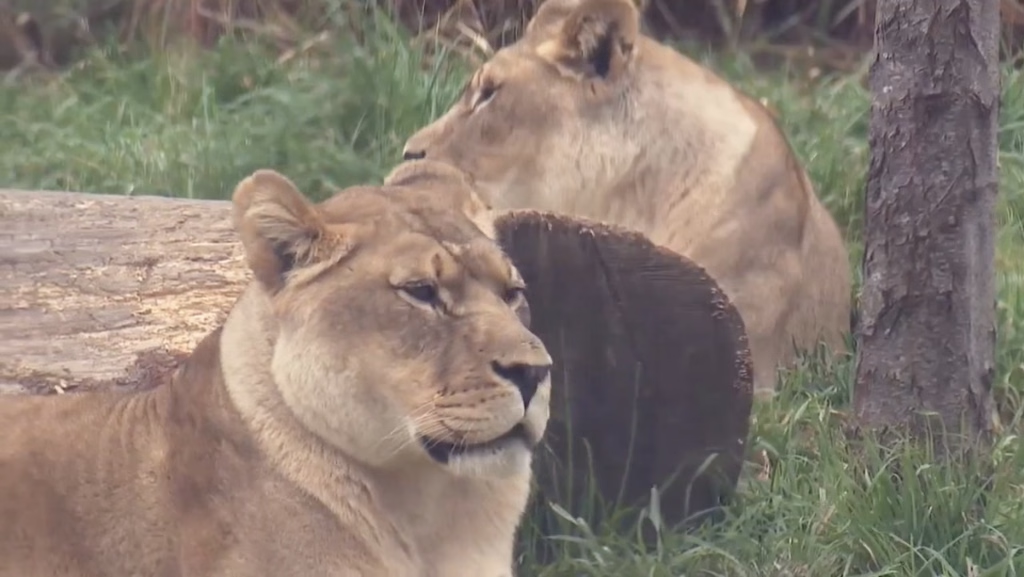
Case in point: This past week, Akron, Ohio residents were subject to a hoax claiming that African lions had escaped from the Akron Zoo. Piggybacking on the zoo’s online announcement about a safety exercise planned for November 4, a social media post with an AI-adulterated image of a lion was spreading quickly online. The image had been manipulated to appear as if a lion was out of its confined habitat and hanging out near a garbage can somewhere in town. Whether or not the post began as a joke, it wound up causing and spreading genuine fear.
Internet Content Doesn’t Go Away
Fortunately, the zoo was quickly alerted to the post. They were then able to dispel the false information and assure the public that all of its lions were still safe in their enclosure. But the rumor already had thousands of local residents panicking. Local news stories about the hoax also helped calm the public. However, the fake photo is still circulating out there on the internet.
So what can we do?
As a top security expert in the area, I participated in an interview with the local ABC News affiliate about the incident. During the interview, I offered information about how people can identify and protect themselves from being fooled by AI content. While AI has its positive uses, it is very easy to use for bad intent as well.
The sad truth is that each of us needs to develop a healthy skepticism of everything we see online.
Stop Spreading Fakes
AI-generated content is so prevalent that it begs the question why we rely on it so heavily. This is especially curious considering a huge number of us perceive it negatively. There’s even a catch-all term for the shoddily-produced AI that clutters up our digital lives: AI Slop. Promoters of AI argue that using it saves time and expands capabilities. Skeptics are rightly worried about its misuse, as well as the potential for people to become inured to the twisting of truth. The creative community is also logically concerned that the ease of generating every darn thing with AI devalues their professional skills. It may even put them out of work.
As it becomes increasingly difficult to tell whether a photo or video, text, or even an audio is real or fake, taking the time to scrutinize what we see becomes more and more important. It’s incumbent upon us to check facts before we further spread potentially alarming or dangerous information ourselves.
But with AI technology this good, how can the average person know whether something is real or fake?
Here are a few tips to help you better discern the real from the fake:
Scrutinize images and videos for common signs of AI manipulation.
Inconsistent shadows and odd textures, and distorted objects, text, or body parts may be easy to spot upon closer inspection – discrepancies like six fingers on a hand, impossibly long necks, or other abnormalities.
Develop a healthy skepticism.
While some AI-generated content is obvious because it doesn’t look quite real, the opposite look may also be a clue to its presence. Does a photo seem “too perfect?” Hyper-realistic detail can be an indication of AI manipulation.
That said, we’ve long been subjected to advertisements for food that looks so pristine it couldn’t possibly have just come out of a fast-food restaurant kitchen, and pictures of models with flawless skin and not a hair out of place. Photo manipulation has actually been around a long time as a tool to sell people goods. AI just makes it faster and easier than ever to take the grease stain off a bucket of chicken, or carve an illusory six-pack into a model’s abs.

When you see images that look too good to be true, ask yourself an important question. Why does someone want me to think the thing I’m looking at is that perfect? The motive behind the manipulation may indeed be benign. But learning to question what you see may get you in the habit of being more discerning about what’s real and what isn’t.
Use technology designed to detect AI.
The technologies aren’t perfect, but they can help. Check out this recent ZDnet tech trends article to learn about available free AI detectors. The article also offers additional tips for identifying fake images.
Most importantly, seek confirmation before sharing.
When you see a questionable or alarming social media post, get confirmation of its veracity from legitimate sources before you share it. In cases like the Akron Zoo incident, checking with the local police department or the zoo itself would be prudent. Understand that if there really were an actively dangerous situation in play, they would have posted about it themselves, whether on social media, on the local news, or through a community-wide alert system.
Still think AI-generated content is all just harmless fun?
Lets all be responsible to each other for learning to check facts before sharing things that could actually cause harm.